Bone Loss After Tooth Loss: Why Early Tooth Replacement Matters
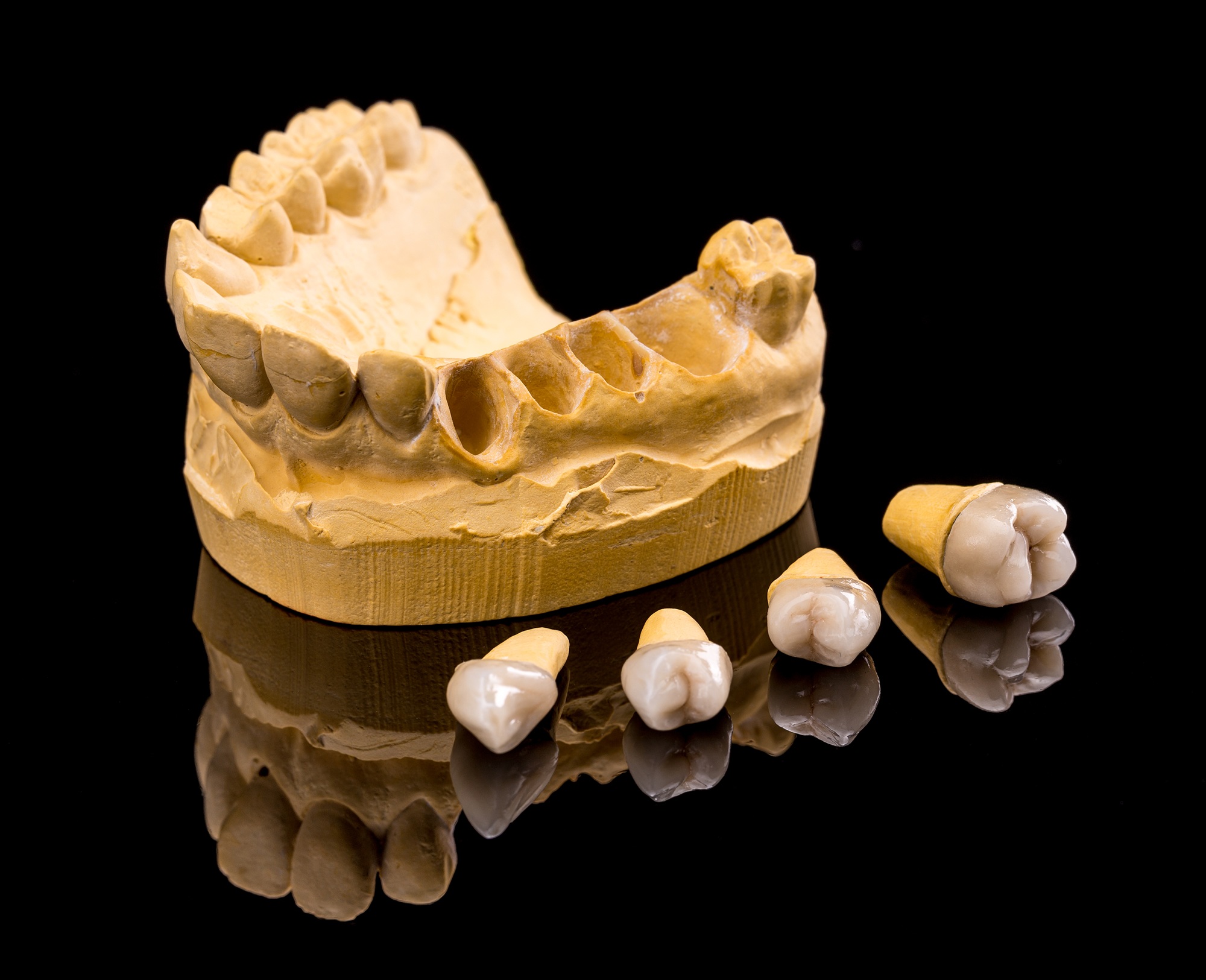

Many patients are surprised to learn that losing a tooth does not only leave a visible gap—it also triggers changes beneath the surface. Once a tooth is lost, the jawbone in that area begins to shrink due to lack of stimulation. This process, known as bone resorption, can start within months and continue over time if the tooth is not replaced.
Understanding how and why bone loss occurs helps patients make informed decisions about early tooth replacement and long-term oral health.
Why Bone Loss Occurs After Tooth Loss
Healthy jawbone depends on regular stimulation from tooth roots during chewing. When a tooth is removed or lost, that stimulation disappears. As a result, the body begins to break down the unused bone in that area.
This bone loss can lead to:
- Shrinking of the jawbone
- Changes in facial appearance
- Shifting of neighboring teeth
- Bite misalignment
- Difficulty placing dental implants later
Bone loss is a gradual process, but its effects can become significant over time.
How Bone Loss Affects Facial Structure
As jawbone volume decreases, the face can begin to appear sunken or collapsed, particularly around the lips and cheeks. This change is often associated with premature aging and can alter how dentures or other restorations fit.
Patients who have been missing teeth for many years often experience more advanced bone loss, making treatment more complex. Early intervention plays a key role in preserving both oral function and facial support.
Tooth Replacement Options and Bone Preservation
Not all tooth replacement options protect the jawbone equally. Traditional bridges and removable dentures replace the visible tooth but do not replace the root. Without root stimulation, bone loss continues beneath these restorations.
Dental implants are unique because they act as artificial tooth roots. When placed into the jawbone, implants help maintain bone density by transmitting chewing forces into the bone.
Learn more about this approach on our dental implants page.
What Happens If Bone Loss Is Advanced?
When significant bone loss has already occurred, additional procedures may be required before implants can be placed. Bone grafting can help rebuild lost bone, but it adds time, complexity, and cost to treatment.
In some cases, advanced planning through smile care allows alternative implant solutions to be considered, depending on the amount and location of remaining bone.
Early tooth replacement often reduces the need for these additional procedures.
Bone Loss and Denture Wearers
Patients who wear removable dentures are particularly vulnerable to progressive bone loss. As the bone shrinks, dentures become looser, leading to discomfort, sore spots, and difficulty chewing.
Many denture wearers eventually explore implant-supported options with guidance from a denture specialist. Implant-supported restorations can dramatically improve stability while helping preserve remaining bone.
Why Timing Matters
Delaying tooth replacement allows bone loss to progress, which can limit future treatment options. Replacing missing teeth sooner rather than later helps:
- Preserve jawbone structure
- Maintain proper bite alignment
- Support facial esthetics
- Simplify future restorative care
Early planning provides more predictable, less invasive solutions.
Final Thoughts
Bone loss after tooth loss is a silent process that can significantly affect oral health and appearance over time. Understanding this process empowers patients to make timely decisions that protect their jawbone, bite, and smile.
If you have recently lost a tooth or have been living with missing teeth, a comprehensive evaluation can help determine the best way to preserve bone and restore long-term stability.

We Can't Wait To Meet You!
Call 201-582-2264 or request an appointment online to set up your first visit. We’ll be in touch soon.

