How Missing Teeth Affect Your Jawbone and Facial Structure
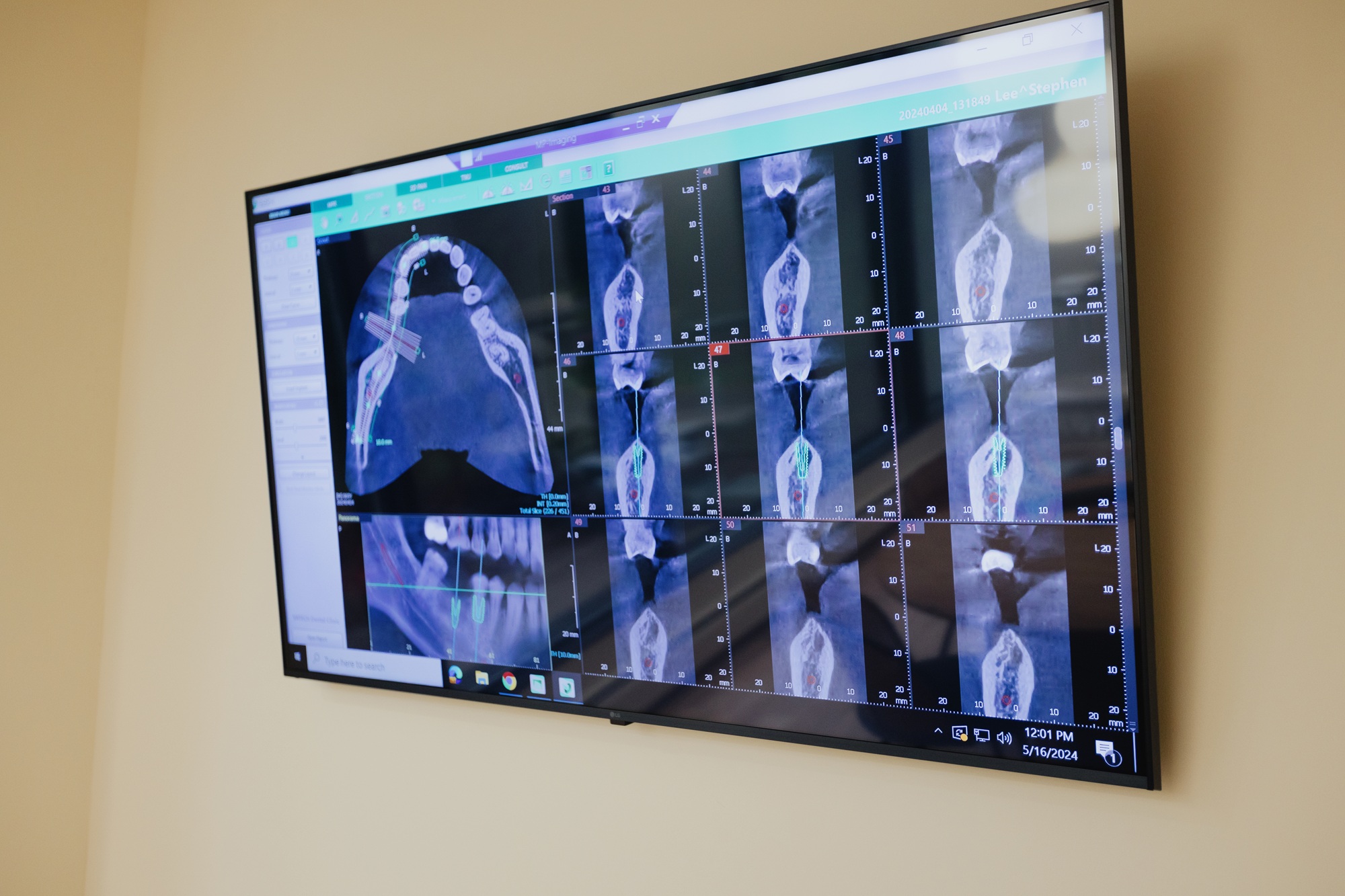

Losing a tooth does more than create a gap in your smile. It can affect how your mouth functions, how your jawbone supports facial structure, and how your remaining teeth align over time. Many patients do not realize that tooth roots play an important role in maintaining bone health.
When a tooth is lost, the jawbone in that area no longer receives the stimulation it once did from chewing and biting forces. Without that stimulation, the body gradually begins to break down and reabsorb the bone in that region.
Jawbone Shrinkage After Tooth Loss
The jawbone depends on regular pressure from tooth roots to maintain its density. When a tooth is missing, the bone can begin shrinking within the first year. This process, known as bone resorption, can lead to significant structural changes in the mouth.
As the bone shrinks, nearby teeth may begin shifting into the open space. This movement can disrupt bite alignment and increase uneven pressure on other teeth. Over time, these changes can make chewing less efficient and increase the risk of further dental complications.
Changes in Facial Appearance
The jawbone also plays a key role in supporting facial structure. When bone loss occurs, it can cause subtle changes in facial appearance, such as a sunken look around the mouth or thinning lips. These changes often become more noticeable when multiple teeth are missing.
Replacing missing teeth early helps maintain natural facial support and prevents these structural changes from progressing.
Restoring Stability With Tooth Replacement
One of the most effective ways to protect jawbone health after tooth loss is by replacing the missing root structure. Modern dental implant restorations act as artificial tooth roots, helping stimulate the jawbone and preserve its strength.
Implants also provide stability for crowns, bridges, or full-arch restorations while maintaining natural chewing function.
For patients who have lost several teeth, carefully designed crowns and bridge restorations may be used to restore bite balance and improve chewing efficiency.
When tooth loss is more extensive, modern denture solutions can restore appearance and function while helping maintain facial structure and oral stability.
Why Early Treatment Matters
Replacing missing teeth sooner rather than later helps minimize bone loss and prevents surrounding teeth from shifting. Early intervention often allows for simpler and more predictable restorative treatment.
Prosthodontic planning focuses on restoring not only the missing tooth but also the long-term balance of the entire bite.
When to Consider Tooth Replacement
If you are missing one or more teeth, a professional evaluation can help determine the most appropriate restorative option based on your oral health and goals.
You can schedule a consultation with our Montvale office to discuss tooth replacement options and protect your long-term oral health.
Consult your dentist for personalized advice.

We Can't Wait To Meet You!
Call 201-582-2264 or request an appointment online to set up your first visit. We’ll be in touch soon.

